
Skim Coat vs Plastering: What's the Difference & Which One Do You Need?
If you're planning to paint your home in Singapore, you've probably heard the terms "skim coat" and "plastering." While they sound similar, these are different wall preparation techniques with distinct purposes, costs, and results. This guide explains everything you need to know.
Quick Overview: Skim Coat vs Plastering
| Feature | Skim Coat | Plastering |
|---|---|---|
| Purpose | Smooth existing walls | Rebuild or level uneven walls |
| Thickness | 2-5mm (thin layer) | 10-50mm+ (thick layer) |
| Best For | Minor imperfections, texture smoothing | Severely damaged, uneven, or new walls |
| Drying Time | 1-2 days | 3-7 days |
| Cost (per sqft) | $2 - $5 | $5 - $12 |
| When Needed |
What is Skim Coat?
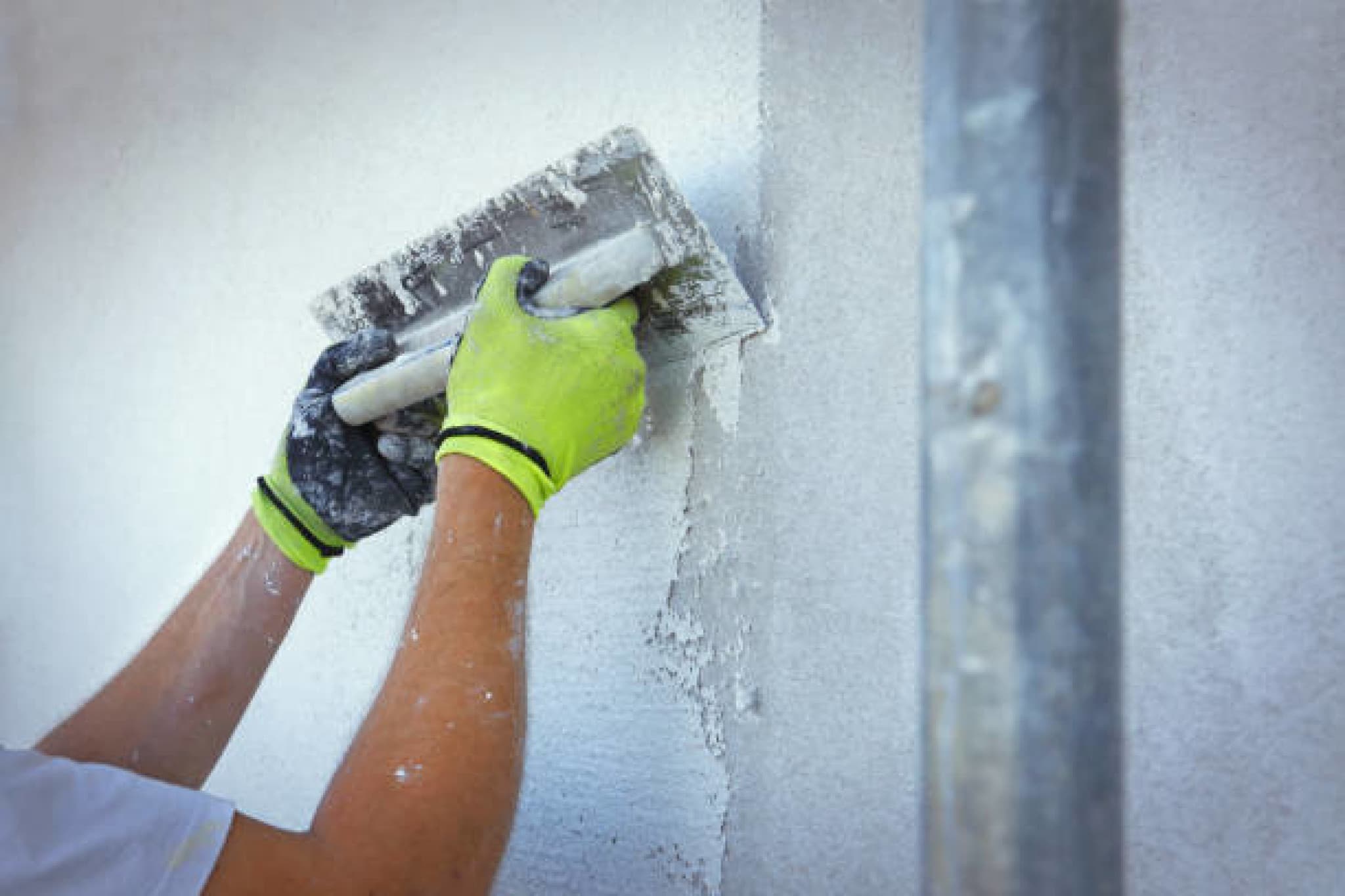
A skim coat is a thin layer (2-3mm) of joint compound or plaster applied over existing walls to create a smooth, uniform surface. Think of it as a cosmetic treatment that hides minor imperfections.
When Do You Need a Skim Coat?
✔️ Existing walls with minor cracks, pinholes, or bumps
✔️ Walls with uneven paint texture from previous roller marks
✔️ Orange peel or stippled textures you want to smooth out
✔️ Previously wallpapered walls after wallpaper removal
✔️ Old walls with minor water stain marks
✔️ Before repainting to ensure perfect paint finish
Skim Coat Process
- Surface cleaning – remove dust, dirt, and loose paint
- Apply first thin layer – using a trowel or roller
- Allow to dry (4-6 hours)
- Light sanding – smooth any ridges or imperfections
- Apply second layer – for ultra-smooth finish
- Final sanding – create perfectly smooth surface
- Primer application – prepare for painting
Skim Coat Advantages
- Cost-effective – cheaper than full plastering
- Fast application – 1-2 days for entire HDB flat
- Minimal dust and mess – less disruptive than plastering
- Perfect for repainting projects – creates ideal paint surface
- Preserves existing wall structure – no major demolition
Skim Coat Limitations
- Cannot fix severely uneven walls – won't level major differences
- Limited thickness – won't hide deep cracks or holes
- Requires skilled application – poor skim coating looks worse than before
What is Plastering?
Plastering involves applying a thicker layer (10-50mm or more) of cement, gypsum, or lime plaster to rebuild, level, or create new walls. This is a structural treatment for significantly damaged or new walls.
When Do You Need Plastering?
✔️ Brand new walls from renovation or construction
✔️ Severely uneven walls – visible bowing or sloping
✔️ Deep cracks or holes (more than 5mm deep)
✔️ Water-damaged walls with crumbling plaster
✔️ Removing old tiles leaving damaged wall surface
✔️ Converting feature walls – brick or concrete block walls needing finish
✔️ Major renovation projects where walls are being rebuilt
Plastering Process
- Prepare the surface – remove old, loose plaster
- Apply bonding agent – helps plaster adhere
- Apply base coat – thick layer (10-20mm) to build up surface
- Allow to dry (24-48 hours)
- Apply second coat (if needed) – for additional thickness
- Float and level – using straight edge to ensure flatness
- Apply finish coat – thin layer for smooth surface
- Dry and cure (3-7 days before painting)
Plastering Advantages
- Fixes major wall problems – levels severely uneven surfaces
- Creates new walls – essential for renovation construction
- Long-lasting solution – durable for decades
- Hides deep imperfections – cracks, holes, water damage
- Improves insulation – some plasters provide thermal benefits
Plastering Limitations
- Expensive – 2-3x more than skim coating
- Time-consuming – 5-14 days including drying time
- Messy and dusty – significant disruption to your home
- Requires professional expertise – not a DIY project
- Thicker walls – reduces room dimensions slightly
How to Decide Which One You Need
Decision Flowchart
Step 1: Are your walls structurally sound with no major damage?
- Yes → Go to Step 2
- No → You need plastering
Step 2: Are walls mostly flat but have minor imperfections (small cracks, bumps, rough texture)?
- Yes → You need skim coating
- No → Go to Step 3
Step 3: Are walls visibly uneven, bowed, or have deep damage?
- Yes → You need plastering
- No → You might need both (spot plastering + skim coating)
Visual Signs: What to Look For
| Wall Condition | Solution | Estimated Cost (3-room HDB) |
|---|---|---|
| Minor hairline cracks, rough texture | Skim coat only | $500 - $900 |
| Many small holes from removed nails/screws | Skim coat with patch filling | $600 - $1,000 |
| Uneven surface with 2-5mm differences | Skim coat (2-3 layers) | $700 - $1,200 |
| Visible bowing or sloping (5-10mm) | Plastering (partial wall) | $1,200 - $2,000 |
| Water damage, crumbling areas | Plastering (affected areas) | $1,500 - $3,000 |
| Completely damaged or new walls | Full plastering | $2,500 - $5,000 |
Can You Do Both?
Yes! Many renovation projects use both techniques:
- Major uneven areas are fixed with plastering
- The rest of the wall gets a skim coat for smooth finish
- Result: Perfectly flat walls ready for premium paint
This combination is common for older HDB flats and landed properties where settlement has caused unevenness over time.
Cost Comparison in Singapore (2026)
| Service | HDB 3-Room | HDB 4-Room | HDB 5-Room | Condo (1,000 sqft) |
|---|---|---|---|---|
| Skim coat only | $500 - $900 | $700 - $1,200 | $900 - $1,500 | $1,200 - $2,000 |
| Plastering only | $1,500 - $2,500 | $2,000 - $3,500 | $2,500 - $4,000 | $3,500 - $6,000 |
| Combined (plastering damaged areas + skim coat) | $1,000 - $1,800 | $1,500 - $2,500 | $1,800 - $3,000 | $2,500 - $4,500 |
Frequently Asked Questions
Q: Can I paint directly over old paint without skim coating?
A: Yes, if walls are in good condition. However, skim coating ensures a flawless, smooth finish that hides previous paint texture.
Q: How long does skim coat last?
A: With quality materials and proper painting, skim coat lasts 5-10 years before needing reapplication.
Q: Is plastering necessary for new BTO flats?
A: Generally no – new BTO walls are already quite flat. However, some homeowners plaster to achieve ultra-smooth, blemish-free finishes before painting.
Q: Can I skim coat over old plaster?
A: Yes, if the old plaster is still sound and not crumbling. A professional contractor will inspect first.
Q: Which is better for hiding hairline cracks?
A: Skim coat – it's specifically designed to fill minor cracks and create a smooth surface.
Why Choose Reliable Paint SG for Wall Preparation?
At Reliable Paint SG, we provide expert wall preparation services including:
🔍 Free wall inspection – honest assessment of your wall condition
📋 Detailed recommendation – skim coat, plastering, or combination
💰 Transparent pricing – no hidden fees or unnecessary upselling
👷 Skilled craftsmen – experienced in both skim coating and plastering
⏱️ Fast turnaround – minimal disruption to your home
✨ Perfect finish guaranteed – smooth walls ready for premium paint
Final Recommendation
Choose skim coating if: Your walls are generally flat but have minor imperfections, and you want a smooth, professional finish before painting.
Choose plastering if: Your walls are severely damaged, uneven, or new, requiring structural repair or complete rebuild.
Choose both if: You have an older home with some damaged areas but most walls just need smoothing. Fix the major issues with plastering, then skim coat everything for uniform smoothness.
📞 Not sure what your walls need? Contact Reliable Paint SG for a free on-site assessment and honest recommendation!